How to Build a Home-Buying Game Plan While You’re Still Renting


You want to buy a house.
Not necessarily tomorrow.
But...
Eventually.
So what's the plan?
For a lot of renters, it looks something like this:
Step 1: Keep renting.
Step 2: Look at houses online at midnight.
Step 3: Say, “Maybe next year.”
Step 4: Renew lease.
Step 5: Repeat.
😂
Let's build a better plan.
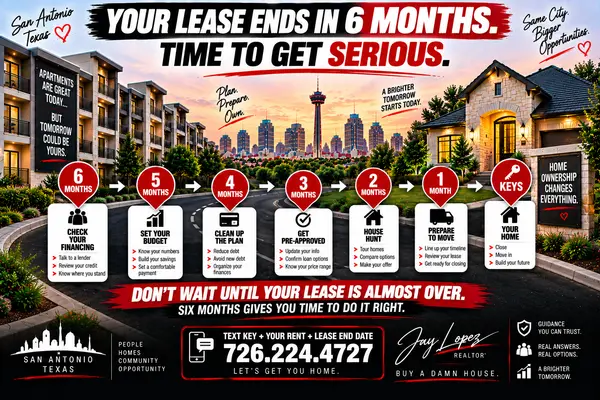
Because you don't need to wait until your lease is almost over to start preparing for homeownership.
In fact:
The best time to build your home-buying plan may be while you're still comfortably renting.
Here's how.
Step 1: Start With Your Lease Expiration Date
Before we talk about credit.
Before we talk about houses.
Before we talk about mortgage rates.
I want one date:
When does your lease end?
That's the anchor for everything else.
If your lease expires in:
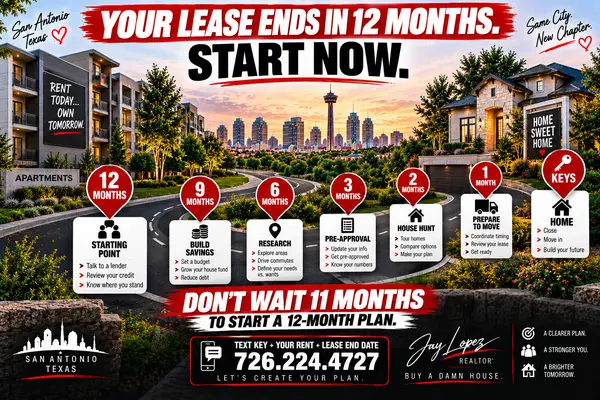
12 months
our plan looks different than if it expires in:
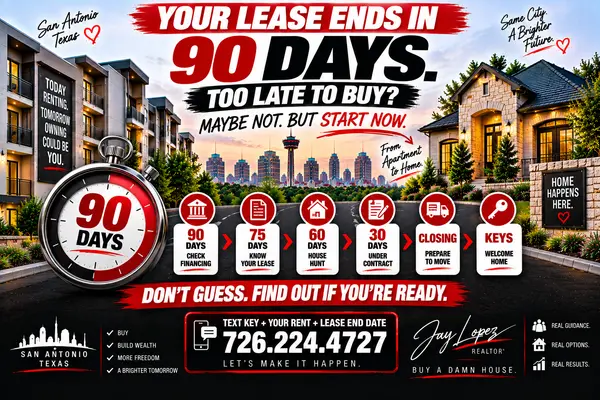
90 days.
Knowing the date helps us work backward.
Don't Just Know the Expiration Date
Actually read the lease.
Look for provisions regarding:
Required notice
Renewal
Month-to-month terms
Move-out requirements
and other relevant obligations.
Don't assume that because your lease says:
“Ends June 30”
you don't need to do anything until June 30.
Your agreement may require earlier action.
Step 2: Figure Out What You're Actually Paying to Rent
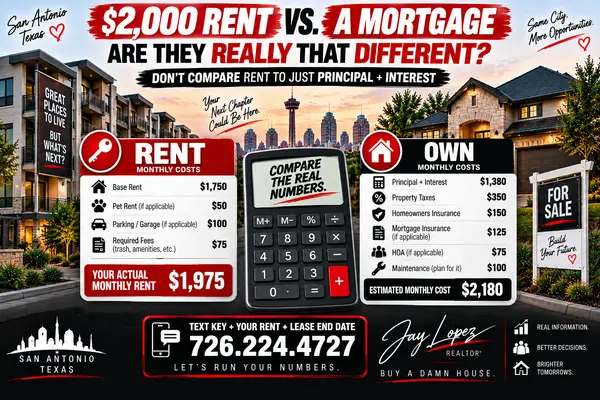
What's your rent?
Sounds easy.
But let's calculate the real number.
Suppose your apartment advertises:
Rent: $1,750
But you're also paying:
Pet rent: $50
Parking: $75
Trash/amenity fees: $45
Now you're actually spending:
$1,920 per month.
That's the number I care about.
Why Does Your Actual Rent Matter?
Because eventually we're going to compare:
What you're spending now
with
What owning might realistically cost.
Not because owning must be cheaper.
It might not be.
We just want to understand the difference.
Step 3: Decide What Monthly Payment Feels Comfortable
This is one of the most important parts of your entire game plan.
Don't start with:
“What's the maximum house I can qualify for?”
Start with:
“What housing payment would fit comfortably into my life?”
Those are not the same thing.
Think About Your Entire Life
Your house isn't your only expense.
You still have:
Cars
Food
Insurance
Travel
Entertainment
Savings
Debt
and everything else.
You don't want to own a beautiful house...
and then sit inside it every weekend because you're broke.
😂
Your home should fit your life.
Your life shouldn't have to fit your home.
Step 4: Talk to a Lender Earlier Than You Think
Here's where renters often wait too long.
They think:
“I'll talk to a lender once I'm ready to buy.”
But how do you know you're ready if you haven't talked to the person evaluating the financing?
Exactly.
A qualified lender can help you understand:
Where you currently stand
Potential financing options
Credit considerations
Debt-to-income considerations
Potential cash requirements
and
What you may need to work on.
You're Not Asking for Permission to Buy a House
You're asking for information.
Maybe the lender says:
“You're in a good position.”
Great.
Maybe:
“Give me six months.”
Also great.
Maybe:
“Here are three things I'd work on first.”
Perfect.
Now we have a plan.
Step 5: Build Your House Fund
Create a separate savings bucket.
Label it:
🏠 HOUSE
Depending on your transaction, you may eventually need money for things such as:
Down payment
Closing costs
Prepaid expenses
Earnest money
Option fee
Inspection
Moving
and other costs.
You also want money left after closing.
Your Goal Isn't to Spend Every Dollar at Closing
If buying the house leaves you with:
$37.18 in your bank account
we probably need to rethink the plan.
😂
Homes need maintenance.
Unexpected expenses happen.
Keeping appropriate reserves is part of responsible homeownership planning.
Step 6: Stop Obsessing Over 20% Down
Do you need 20% down?
Not necessarily.
Different financing programs have different requirements.
Depending on your eligibility and lender requirements, potential options can include:
Conventional
FHA
VA
USDA
and certain assistance programs.
For qualified borrowers, some programs may allow significantly less than 20% down.
Military and VA Buyers 🇺🇸
If you're an eligible Veteran or service member, learn how your VA benefit applies to your situation.
Eligible borrowers with sufficient entitlement may potentially purchase without a down payment required by the VA loan program.
VA itself does not establish one universal minimum credit score, although lenders may have their own standards.
VA-backed loans don't require monthly mortgage insurance.
And some eligible Veterans may be exempt from the VA funding fee.
But VA financing can still involve closing costs, prepaid expenses and other transaction expenses.
Learn your actual numbers.
Step 7: Review Your Credit—But Don't Play With It
Check your financial situation.
But please don't start doing random things because somebody on TikTok said:
“THIS ONE CREDIT HACK ADDS 100 POINTS!”
😬
If mortgage qualification is your goal, work with the lender.
Don't automatically:
Close old accounts
Open new cards
Move balances around
or make other significant credit changes without understanding the potential effect.
Your lender can identify priorities based on your situation.
Step 8: Review Your Debt
Look at your monthly obligations.
That may include:
Vehicle payments
Credit cards
Student loans
Personal loans
and other debt.
Your lender can help you understand how those obligations interact with mortgage qualification.
But again:
Don't automatically drain your savings paying everything off.
Ask first.
The goal is a coordinated financial strategy.
Step 9: Avoid Creating New Problems
As you get closer to buying, don't sabotage the plan.
This might not be the ideal time to finance:
A new $70,000 truck.
Or:
A boat.
Or:
$15,000 of furniture for the house you haven't bought yet.
😂
New obligations can affect your financial picture.
Before taking on significant new debt while preparing for a mortgage, talk with your lender.
Step 10: Build Your Location List
Now we can start talking about San Antonio.
Instead of asking:
“What's the best area?”
build the search around your needs.
Consider:
Budget
Commute
Home style
Lot size
New construction vs. resale
HOA preferences
Access to places important to you
and your longer-term plans.
San Antonio Is BIG
This is something relocation buyers sometimes underestimate.
You can say:
“I live in San Antonio.”
and still be a long way from another person who also:
“Lives in San Antonio.”
😂
Your daily commute matters.
If possible, test the routes you're considering during the times you'll actually travel.
JBSA Buyers: Start With the Commute
If you're stationed at:
Lackland
Randolph
Fort Sam Houston
or another JBSA location, your duty station can be an important starting point for your search.
But don't assume the closest house is automatically the right one.
Compare:
Commute
Budget
Housing options
and your personal priorities.
Step 11: Make Your Three Lists
I love this exercise.
Create:
MUST HAVE
Things the house genuinely needs.
For example:
3 bedrooms
Workable commute
Specific monthly budget
Garage
Then:
WOULD LIKE
Features that matter but aren't deal-breakers.
Maybe:
Large backyard
Office
Kitchen island
Then:
BONUS
The fun stuff.
Pool
Game room
Outdoor kitchen
Massive shower
A pantry large enough to qualify as its own ZIP code.
😂
This helps tremendously once we start touring homes.
Step 12: Decide Whether to Consider New Construction
San Antonio has many new-home communities.
Depending on your budget and desired location, new construction may deserve a spot in the search.
But don't automatically assume:
New = better.
And don't assume:
Resale = better value.
Compare both.
Builder Incentives Can Affect the Math
Builders sometimes offer incentives on qualifying inventory.
Depending on current promotions, those may include:
Closing-cost assistance
Financing incentives
Rate buydowns
Price adjustments
or other offers.
Promotions change.
Qualifications apply.
So we verify current terms and compare the whole transaction, not just the biggest number in the advertisement.
Step 13: Get Pre-Approved When the Timeline Makes Sense
Your initial lender conversation may happen months before you seriously shop.
Pre-approval generally comes later when you're approaching the actual purchase.
Your lender can tell you when it makes sense based on your timeline.
Once you're ready, pre-approval helps us understand:
Financing
Potential price range
Estimated payment
Potential cash needed
and how you're positioned to make an offer.
Step 14: Start Shopping With a Plan
Now we finally get to the houses.
🔥
But notice what happened first.
We already established:
Timeline
Rent
Budget
Financing
Savings
Location
Needs
and
Priorities.
So instead of touring random houses...
we're looking at homes that have a realistic chance of working.
This Makes House Hunting WAY Better
Without a plan:
“This house is beautiful!”
Then:
“Wait...the payment is WHAT?”
Or:
“Wait...that's an hour from work?”
Or:
“Wait...I don't have the cash needed?”
😬
Planning eliminates a lot of unnecessary disappointment.
Step 15: Understand What Happens After You Find the House
Finding the property is only one stage.
Once you're under contract, depending on the transaction, you'll be navigating things such as:
Earnest money
Option fee
Inspection
Financing
Appraisal
Insurance
Title
Contract deadlines
and
Closing.
That's why education before house hunting matters.
Your Rental-to-Homeownership Game Plan
Here's the simplified version:
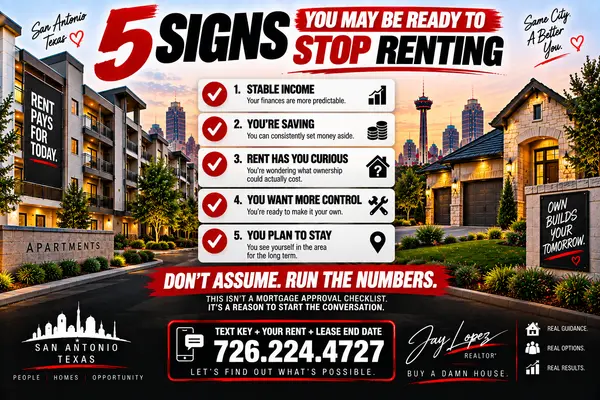
1. KNOW YOUR LEASE
📅 Expiration + notice requirements
2. KNOW YOUR RENT
💵 Calculate the real monthly cost
3. SET YOUR BUDGET
📊 Decide what feels comfortable
4. TALK TO A LENDER
🏦 Learn where you actually stand
5. BUILD SAVINGS
💰 Create your house fund
6. REVIEW CREDIT & DEBT
💳 Follow an informed plan
7. CHOOSE YOUR AREAS
📍 Budget + commute + priorities
8. DEFINE YOUR HOME
🏠 Must have / would like / bonus
9. GET PRE-APPROVED
✅ When appropriate for your timeline
10. HOUSE HUNT
🔎 Search with purpose
11. GET UNDER CONTRACT
📝 Manage the transaction
12. GET THE KEYS
🔑 Buy a damn house.
Categories
Recent Posts