How Much Money Do You Really Need to Buy a House in San Antonio?


One of the biggest reasons people keep renting isn't necessarily because they can't afford to buy a house.
Sometimes it's because they think they can't afford to buy one.
I hear versions of this all the time:
“I need 20% down.”
“I need $50,000 in the bank.”
“I haven't saved enough yet.”
“I'll start looking next year when I have more money.”
Maybe you do need more time to save.
But maybe you don't.
Before you automatically renew that lease for another year, let's talk about what it can actually take to buy a house in San Antonio.
Because the answer to “How much money do I need?” isn't one number.
It depends on the house, loan program, lender requirements, your financial situation, and the structure of the transaction.
Let's break it down.
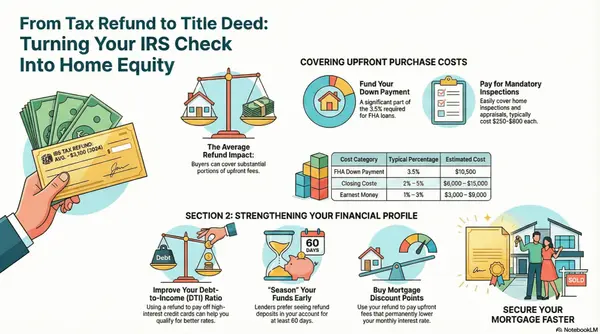
1. Your Down Payment
This is where most buyers immediately think:
20%.
But 20% down is not a universal requirement for buying a house.
Different mortgage programs can have very different down-payment requirements.
Depending on eligibility and lender requirements, buyers may have access to options such as:
Conventional financing, FHA financing, VA financing, USDA financing, and other assistance or specialized programs.
Some conventional loan programs may allow qualified buyers to put down substantially less than 20%.
FHA financing may offer a relatively low down-payment option for qualified borrowers.
Eligible VA borrowers may be able to purchase with no down payment when program, entitlement, property, and lender requirements are satisfied.
USDA financing may also provide a no-down-payment option for eligible borrowers purchasing qualifying properties.
So before you decide you need to save 20%, find out which financing options you may actually qualify for.
2. Zero Down Doesn't Necessarily Mean Zero Dollars Out of Pocket
This is particularly important for VA buyers.
When somebody hears “zero down,” it's easy to interpret that as:
“I don't need any money.”
Those aren't necessarily the same thing.
A qualified buyer may be able to finance the entire purchase price under certain loan programs while still having other expenses associated with purchasing the property.
Those could include things such as:
Earnest money, an option fee, inspections, appraisal-related expenses, closing costs, prepaid expenses, insurance, and other transaction costs.
Some of these amounts may ultimately be credited or handled differently at closing depending on the transaction.
The important thing is to understand the whole financial picture, not just the down payment.
3. What Is Earnest Money in Texas?
When you make an offer on a Texas property, your contract may provide for earnest money.
Think of earnest money as money delivered according to the contract that demonstrates your commitment to the transaction.
The amount isn't automatically the same for every house.
It can depend on the offer, negotiations, market conditions, and terms of the contract.
If you're buying a home, make sure you understand:
How much is due, where it must be delivered, and the deadline for delivering it.
Texas real estate contracts contain important deadlines, so this isn't something you want sitting on your kitchen counter because you forgot about it.
4. What Is the Option Fee?
Texas buyers may also negotiate for a termination option as part of their contract.
When applicable, the buyer pays an agreed option fee for the unrestricted right to terminate the contract during the negotiated option period, subject to the contract's terms.
This period is often when buyers conduct inspections and gather additional information about the property.
The amount and length of the option period are negotiable contract terms.
Your Realtor should explain how these provisions work in your specific transaction and make sure you understand the deadlines.
5. Budget for the Home Inspection
This is one expense I don't want buyers forgetting when they're figuring out how much cash they'll need.
Once you're under contract, you'll generally want to have the property professionally inspected.
The cost depends on the property and the inspections being performed.
Depending on the home, buyers might consider additional inspections or evaluations beyond a general home inspection.
Think of the inspection as information.
You're making a major financial decision. You want to know as much as reasonably possible about what you're buying.
And remember:
A home inspection and an appraisal are not the same thing.
6. What About the Appraisal?
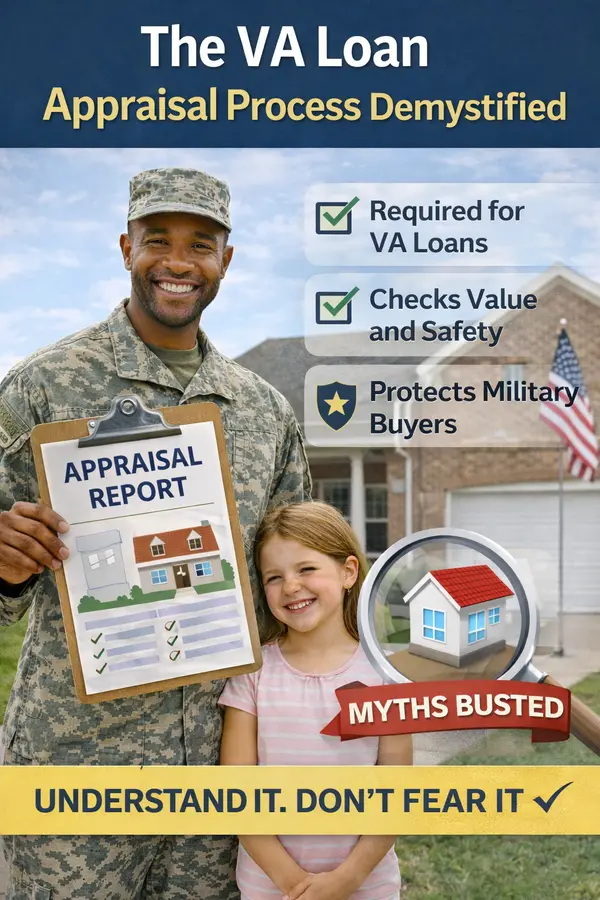
If you're financing the property, your lender will generally require an appraisal.
An appraisal helps the lender evaluate the property's value in connection with the loan.
Who pays for it and exactly how and when the charge appears can depend on the lender and transaction.
It's another potential expense you should discuss with your lender when estimating how much money you'll need.
7. Closing Costs
Here's another area where buyers sometimes get surprised.
Your down payment and your closing costs aren't necessarily the same thing.
Closing costs can include various lender, title, settlement, government-recording, prepaid, escrow, insurance, and other transaction-related charges.
Exactly what applies—and who pays which expenses—depends on the transaction.
That's why I don't like throwing out one magic number and telling every buyer:
“This is exactly what you'll need.”
Your lender can provide estimates based on your actual financing scenario, and your Realtor can help you understand how the real estate side of the transaction affects those numbers.
8. Don't Forget Prepaid Expenses
Some expenses associated with closing aren't simply fees.
You may be paying certain expenses in advance.
Depending on the transaction, these could include amounts associated with:
Homeowners insurance, property taxes, prepaid interest, and escrow reserves.
This is another reason the amount you need at closing can be different from simply calculating your down payment percentage.
9. Can the Seller Help With Closing Costs?
Sometimes.
Depending on the loan program, contract, property, negotiations, and applicable limits, a seller may agree to contribute toward certain buyer expenses.
But don't automatically assume:
“The seller will pay all my closing costs.”
It's a negotiation.
A seller considering multiple offers may evaluate the entire offer—not just the purchase price.
This is where your Realtor and lender can work together to help you understand what may be possible and how different terms could affect your transaction.
10. What About Builder Incentives?
This is one reason I like first-time buyers to consider new construction alongside resale homes.
Builders may periodically offer incentives on certain homes or through certain financing arrangements.
Depending on the builder and current promotion, incentives might involve things such as closing-cost assistance, financing incentives, rate-related promotions, or price adjustments.
But builder incentives change.
They can be limited to particular homes, communities, contracts, lenders, closing dates, or qualified borrowers.
So if you see an advertisement offering an incredible rate or thousands of dollars in incentives, don't assume it automatically applies to every home or every buyer.
Get the details.
And remember that the builder's salesperson represents the builder's interests. Buyers can consider having their own real estate representation when purchasing new construction.
11. So How Much Money Should You Actually Save?
Here's the answer nobody likes:
It depends. 😂
But that's actually good news.
Instead of picking an arbitrary number like $20,000, $30,000, or $50,000 and refusing to even explore homeownership until you reach it, find out what your number might be.
A lender can help estimate your financing needs.
Your Realtor can help identify homes and opportunities that fit your goals.
Together, we can start answering questions such as:
What price range makes sense?
What monthly payment feels comfortable?
Which loan programs might be worth exploring?
How much might you need for a down payment?
What other transaction expenses should you prepare for?
Are there current builder incentives worth considering?
Should you buy now or create a plan to buy later?
Now you're working with information instead of assumptions.
12. Start With the Monthly Payment, Not Just the House Price
Here's another mistake buyers make.
They tell me:
“I want a $350,000 house.”
My next question is:
Why $350,000?
Sometimes it's just a number they picked.
I'd rather know what monthly housing payment you're comfortable with.
Your payment can be affected by several things, including the loan amount, interest rate, loan type, property taxes, homeowners insurance, mortgage insurance when applicable, HOA expenses, and other factors.
Two similarly priced homes don't necessarily have identical monthly housing costs.
So don't shop based only on the price displayed online.
13. What If You Don't Have Enough Money Yet?
Then we make a plan.
That's not failure.
If we determine that buying today isn't realistic, I'd rather know that now.
Maybe the plan is:
Save a certain amount each month.
Maybe it's:
Work on credit.
Maybe it's:
Pay down some debt.
Maybe it's:
Wait until your lease is closer to ending.
Maybe it's:
Explore a different price range or area.
Or maybe you discover you're much closer to buying than you thought.
Either way, you've replaced:
“I don't think I can buy a house.”
with:
“Here's what I need to do to buy one.”
That's a completely different conversation.
Before You Renew Your Lease, Find Out
If you're renting in San Antonio and your lease ends in the next few months, don't automatically renew simply because you assume you don't have enough money to buy.
I'm also not telling every renter that buying is automatically the right financial decision.
I'm telling you to find out what your options are before making the decision.
Maybe you're ready now.
Maybe you're six months away.
Maybe you're a year away.
Let's find out.
🔑 Text KEY to 726.224.4727
Send me:
1. What you're currently paying in rent
2. When your lease ends
3. The monthly housing payment you'd be comfortable with
We'll start there.
Follow @jaylopezrealtor for San Antonio homes, new construction, first-time buyer education, VA information, and real estate tips.
Buy a damn house.
Categories
Recent Posts