The Truth About Credit Scores and Home Loans for First-Time Buyers
 What Your Score Really Means — and How to Improve It Before You Buy
If you're thinking about buying your first home, one of the biggest questions you'll face is:
“Is my credit score good enough to get approved?”
The truth is, most buyers overestimate how high their score needs to be — and underestimate how much flexibility lenders actually have. Whether you’re a first-time buyer, a renter ready for homeownership, or a military family planning to use a VA loan, this guide breaks down everything you need to know.
✅ What Credit Score Do You Really Need to Buy a Home?
Here’s the good news:
You don’t need perfect credit to buy a home — not even close.
Here are the minimum score guidelines for the most common loan types:
-
VA Loan: No minimum credit score required by the VA (most lenders accept 580–620+)
-
FHA Loan: 580+ with 3.5% down, or 500–579 with 10% down
-
Conventional Loan: Typically 620+
-
USDA Loan: Often 620+
💡 Military Tip: VA loans are the most flexible when it comes to credit because the program is backed by the federal government.
✅ How Your Credit Score Impacts Your Mortgage
Your credit score affects two major things:
1. Your interest rate
Higher score = lower rate = lower monthly payment.
Even a small difference matters.
For example:
A 0.5% lower rate could save you tens of thousands over the life of your loan.
2. Your loan approval strength
Lenders look at:
-
Payment history
-
Debt levels
-
Credit usage
-
Length of credit history
-
Recent credit inquiries
But they also look at the big picture, not just a number.
❗ Common Credit Myths (That Hold Buyers Back)
❌ “You need a 750+ credit score to buy a home.”
Nope. Most buyers purchase homes with scores between 620–680.
❌ “Checking your own credit score hurts your credit.”
Soft inquiries — like checking your own score — do not hurt your credit.
❌ “Medical debt will automatically disqualify you.”
Not true — medical collections are treated differently and are often ignored or removable.
❌ “If my spouse’s score is low, we won’t qualify.”
Lenders can use only the higher-scoring spouse if you're not both on the loan.
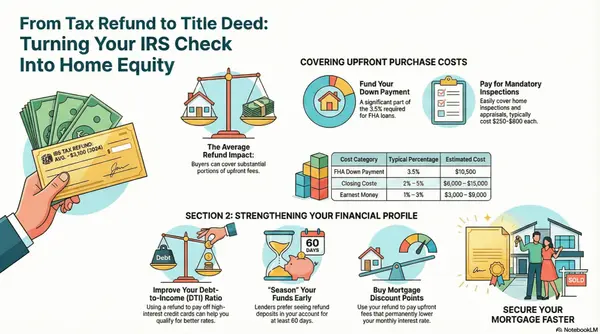
🧰 Simple Ways to Boost Your Credit Score Before You Buy
Even 30–60 days of preparation can make a big difference.
Here’s how:
✔️ Pay down credit card balances
Try to keep usage under 30% of available credit.
✔️ Avoid opening new accounts
New credit lines can temporarily drop your score.
✔️ Set up automatic payments
One late payment can drop your score by 50–100 points.
✔️ Dispute errors on your credit report
Many buyers have incorrect negative items and don’t know it.
✔️ Ask your lender for a “rapid rescore”
This is a powerful tool that quickly updates your credit after paying down debt.
🎖️ A Special Note for Military Buyers
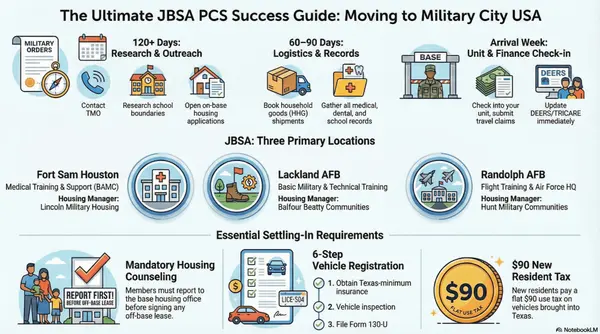
VA loans are hands-down the most forgiving mortgage option when it comes to credit.
Benefits include:
-
No minimum credit score
-
No PMI
-
Lower average interest rates
-
Flexible debt-to-income requirements
If you're PCSing to Texas or transitioning out of the military, you may qualify even if your credit isn’t perfect yet.
❤️ Final Thoughts
Your credit score is important — but it’s not the make-or-break factor many people fear. With the right guidance and a little preparation, you can qualify for a home loan even if your credit isn’t perfect.
And the best part?
Once you're a homeowner, your credit score often improves because a mortgage adds positive payment history.
If you’re unsure where your credit stands or want help building a plan…
📞 Send me a message — I can walk you through your options and connect you with a lender who can review your credit in minutes.
Categories
Recent Posts